

 See My Latest Article on HelloNation
Why HVAC myths can lead to wasted energy
Heating and cooling advice is often passed along as common knowledge, but some familiar claims are incomplete or simply wrong. In Beaver Dam, WI, where homes may rely heavily on heating during long cold periods and air conditioning during humid summer weather, understanding how HVAC systems actually work can improve comfort and reduce avoidable strain.
The most useful guidance is usually practical: know what affects airflow, recognize how equipment responds to weather, and avoid maintenance habits based on assumptions rather than evidence.
Myth: Setting the thermostat higher heats a home faster
A furnace generally heats at one operating rate, whether the thermostat is set to 68 degrees or 78 degrees. Raising the setting does not make the equipment produce heat faster. It only tells the system to continue running until the higher temperature is reached.
For example, if a home is 62 degrees and the desired temperature is 68 degrees, setting the thermostat to 75 degrees will not shorten the initial warm-up period. It may cause the system to run longer than necessary after the room has already become comfortable.
A better approach is to choose a reasonable temperature and allow the system to complete its normal heating cycle. If the home warms unusually slowly, possible causes include:
- A dirty filter
- Blocked supply or return vents
- Poor insulation or air leakage
- An undersized or aging system
- A thermostat located near a draft or heat source
Myth: Closing vents in unused rooms saves money
Closing several supply vents can disrupt the airflow balance for which a forced-air system was designed. The blower still moves air, but resistance in the ductwork may increase. Depending on the system, that can contribute to noise, uneven temperatures, pressure problems, or extra stress on the blower.
A closed bedroom door can create a similar issue if the room has a supply vent but no effective return-air path. Air needs a way to circulate back to the heating or cooling equipment.
It is usually better to keep supply vents open and unobstructed. If one room is consistently too warm or too cold, the underlying issue may involve duct design, insulation, sunlight, air leakage, or thermostat placement rather than the vent itself.
Myth: A bigger furnace or air conditioner is always better
Oversized equipment can create comfort problems. A furnace that is too large may reach the thermostat setting quickly and shut off before distributing heat evenly. An air conditioner that is too large may cool the air rapidly but run for such short periods that it removes less indoor humidity.
This pattern is known as short cycling. It can lead to:
- Uneven room temperatures
- More frequent starts and stops
- Reduced humidity control
- Higher mechanical wear
- A less comfortable indoor environment
Equipment capacity should be matched to the home’s size, insulation, windows, ductwork, and air leakage. Square footage alone does not tell the entire story, especially in older housing where improvements may have changed heating and cooling needs.
Myth: Replacing the filter once a year is enough
Many disposable filters need attention far more often than once a year. The correct interval depends on filter thickness, household conditions, system runtime, pets, renovation dust, and indoor air quality needs.
A heavily loaded filter restricts airflow. That can make the blower work harder and may cause a furnace to overheat or an air conditioner to freeze under certain conditions.
A practical habit is to inspect the filter monthly during periods of heavy use. Replacement may be needed every one to three months, although some larger filters are designed for longer service. The filter should fit correctly without bending, collapsing, or leaving gaps around the frame.
A filter that is more restrictive is not automatically better. The HVAC system must be designed to move air through it without excessive pressure loss.
Myth: Ceiling fans cool a room even when no one is there
Ceiling fans primarily cool people, not rooms. Moving air increases evaporation from the skin, which creates a cooling sensation. A fan does not significantly lower the air temperature in an unoccupied room.
For that reason, turning off a fan when leaving the room can save electricity. During warm weather, the blades should generally rotate counterclockwise when viewed from below, creating a downward breeze. During colder months, a low-speed clockwise setting may help circulate warm air that has collected near the ceiling.
Fans can improve comfort while allowing a thermostat to be set slightly higher, but they do not replace proper air conditioning.
Myth: Air conditioning removes all indoor humidity
Air conditioners can remove moisture, but humidity control depends on runtime, system size, indoor moisture sources, and outdoor conditions. A system that cools a home very quickly may not run long enough to remove much moisture.
Indoor humidity can also rise because of:
- Damp basements or crawl spaces
- Poor bathroom ventilation
- Cooking and drying clothes indoors
- Air leaks around foundations or windows
- Ground moisture entering the structure
During humid summer weather, a home may feel clammy even when the thermostat shows a comfortable temperature. Moisture control may require improved ventilation, drainage, air sealing, or a dedicated dehumidification approach rather than a lower thermostat setting alone.
Myth: Turning the thermostat down at night damages the furnace
Moderate temperature setbacks do not normally damage a properly functioning heating system. In many homes, lowering the thermostat while people are asleep or away can reduce heating demand.
The setback should not be extreme, especially during very cold weather. A large temperature change may lengthen the recovery period and can increase the risk of cold areas near exterior walls, plumbing, or poorly insulated spaces.
Programmable and smart thermostats can help establish consistent schedules, but manual adjustments work as well when used thoughtfully. The best setting depends on comfort, household routines, insulation, and the condition of the equipment.
Myth: Maintenance is only needed when something stops working
HVAC equipment can continue operating while efficiency, airflow, or safety gradually declines. Waiting for a complete failure may allow a small problem to become a more disruptive one.
Useful homeowner checks include:
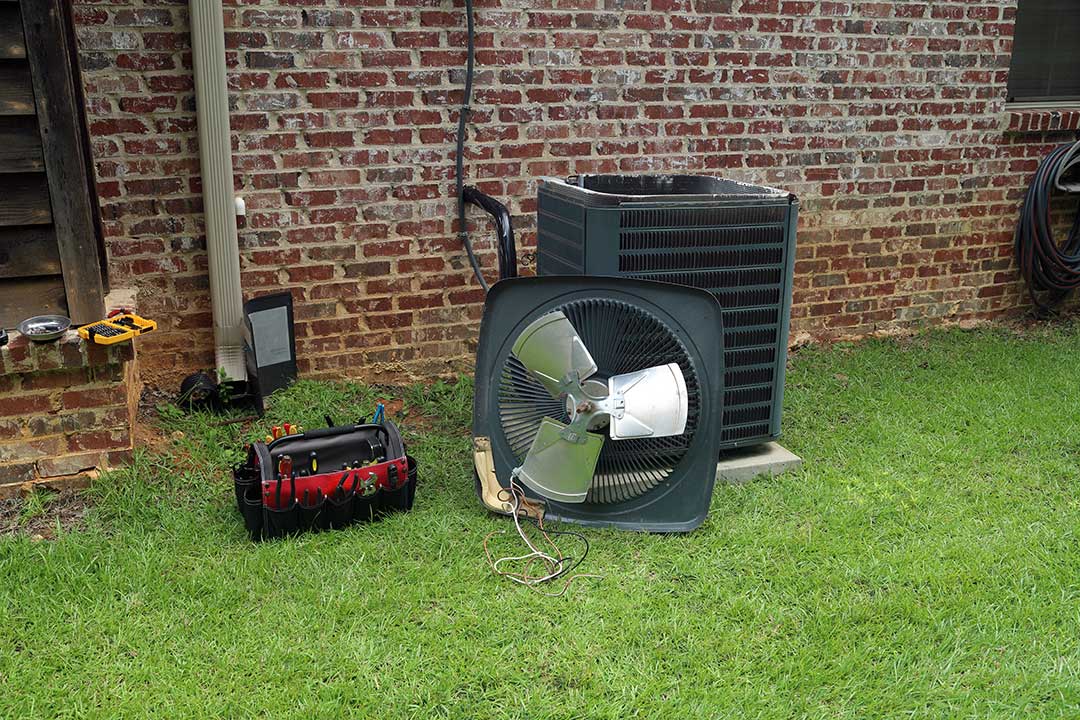
- Keeping outdoor equipment clear of leaves, snow, and stored items
- Confirming that return grilles are not blocked by furniture
- Watching for unusual noises, odors, or water around equipment
- Checking that vents are open and unobstructed
- Replacing filters on an appropriate schedule
Some conditions require qualified attention, particularly a suspected gas leak, carbon monoxide alarm, electrical burning smell, refrigerant leak, or repeated system shutdown. Safety-related problems should not be diagnosed by trial and error.
Myth: Older homes cannot be made energy efficient
Older homes often have more opportunities for improvement than many owners realize. Comfort problems may result from air leakage, inadequate attic insulation, unbalanced ductwork, leaky windows, or gaps around plumbing and wiring penetrations.
Replacing equipment is not always the first or only solution. Air sealing and insulation improvements can reduce the heating and cooling load, while duct repairs may improve delivery to rooms that have been difficult to keep comfortable.
In homes with additions, enclosed porches, finished attics, or remodeled basements, the original HVAC design may no longer match the current layout. Those changes can explain why certain areas remain colder in winter or warmer in summer.
Myth: More airflow always means better comfort
Strong airflow from a vent does not necessarily mean the whole system is performing well. A room may receive forceful air but still feel uncomfortable because of poor insulation, sun exposure, duct leakage, or pressure imbalance.
Comfort depends on several factors working together:
- Air temperature
- Air movement
- Humidity
- Surface temperatures
- Drafts and air leakage
- The distribution of air throughout the home
A quieter, better-balanced system may provide more consistent comfort than one that simply moves a larger volume of air through a few easily supplied rooms.
Recognizing these distinctions makes HVAC decisions more practical. Instead of responding only to a thermostat reading or a single uncomfortable room, residents can look at airflow, moisture, insulation, equipment sizing, and operating patterns as parts of the same home comfort system.