

 See My Latest Article on HelloNation
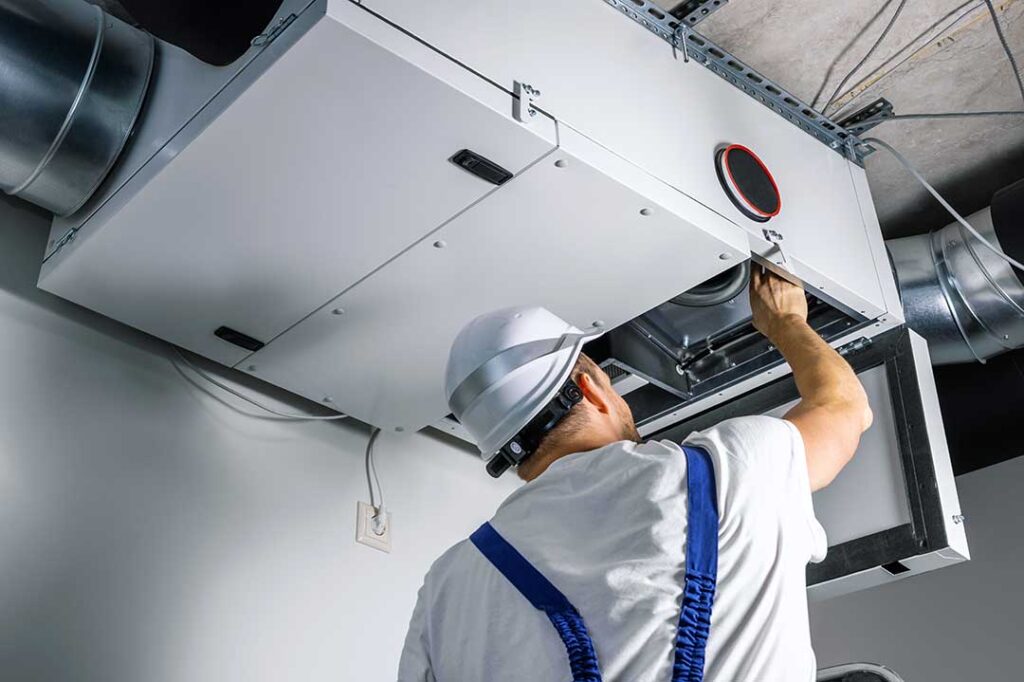
Changing an HVAC filter is a simple maintenance task that helps protect indoor air quality, airflow, and heating and cooling equipment. For most homes in Beaver Dam, WI, the job takes only a few minutes and can be done without tools.
A clean filter allows air to move through the system with less resistance. A clogged filter can make the furnace or air conditioner work harder, reduce comfort, increase dust, and contribute to system problems.
How do you change an HVAC filter?
Turn off the HVAC system, locate the filter, remove the old one, check its size and airflow direction, and install a clean replacement with the arrow pointing toward the equipment.
Follow these steps:
1. Turn off the system. Set the thermostat to “off.” For added safety, switch off the nearby service switch if it is clearly identified.
2. Find the filter. Common locations include the return-air grille on a wall or ceiling, a slot beside the furnace, or a compartment near the indoor air handler.
3. Remove the existing filter. Pay attention to how it is positioned before pulling it out.
4. Check the size. Filter dimensions are printed along the cardboard edge. A typical size may look like 16-by-25-by-1 inches, but homes use many different sizes.
5. Look for the airflow arrow. The arrow should point toward the furnace, air handler, or blower—not toward the room.
6. Slide in the new filter. It should fit securely without being forced or bent.
7. Restore power and turn the system back on.
If the filter is difficult to remove or appears trapped behind a panel that requires tools, do not force the compartment open. Some HVAC equipment has access panels connected to electrical components.
Where is the HVAC filter located?
The filter is usually installed where household air returns to the heating and cooling system. The most common locations are a large return grille, the furnace cabinet, or a dedicated filter rack near the equipment.
Look for a wide grille that pulls air into the system rather than a small supply vent that pushes air into a room. A return grille may be located in a hallway, basement, utility area, or central part of the home.
In some houses, especially those with basements or older duct layouts, there may be more than one return grille with a filter behind each one. Check the entire system rather than assuming there is only one filter.
A filter slot may also be located near the furnace in a basement or utility room. If several filters are present, replace all of them with the correct size and type.
Which way should the filter face?
The arrow printed on the filter must point in the direction of airflow. In most systems, that means the arrow points toward the furnace or air handler.
The filter material is designed to capture particles as air moves through it. Installing it backward may reduce performance and can place unnecessary resistance on the system. The filter may still appear to work, but its support structure and filtering media are not being used as intended.
When removing the old filter, take a quick picture or note the arrow direction. If no arrow is visible, identify which side faces the blower or equipment before installation.
How often should an HVAC filter be replaced?
A one-inch filter is commonly checked every month and replaced about every one to three months, depending on its condition and household conditions. Thicker filters may last longer, but their replacement schedule should follow the label or equipment instructions.
In Beaver Dam, heating systems often run for extended periods during cold weather, which can load a filter more quickly. Air conditioning use during humid summer weather can also increase system runtime. Checking the filter at the start of each month is an easy habit.
Replace the filter sooner if:
- The filter looks gray, dusty, or visibly coated.
- Airflow from supply vents feels weaker than usual.
- The home has shedding pets.
- Someone in the household has allergies or respiratory sensitivities.
- Indoor construction, remodeling, or heavy dust has occurred.
- Windows have been opened frequently during dusty outdoor conditions.
- The system runs for long periods but rooms are not reaching the thermostat setting.
A filter should not be judged only by the calendar. A lightly used system in a clean home may need less frequent replacement, while a busy household may need more frequent changes.
What filter rating should a household use?
Use a filter size and efficiency rating that the HVAC system can handle. The size must fit correctly, and a higher-rated filter is not automatically better for every furnace or air handler.
Many residential filters display a MERV rating, which indicates how effectively the filter captures certain airborne particles. Higher ratings generally provide finer filtration, but they can also restrict airflow if the system was not designed for them.
For most homes, the equipment manual or existing filter label is the best starting point. Do not stack filters, install a filter that is too thick, or substitute a different size because it appears close enough.
A filter that does not fit tightly can allow unfiltered air to pass around its edges. A filter that is too large may bend, collapse, or prevent the access door from closing properly.
Can a dirty filter cause heating or cooling problems?
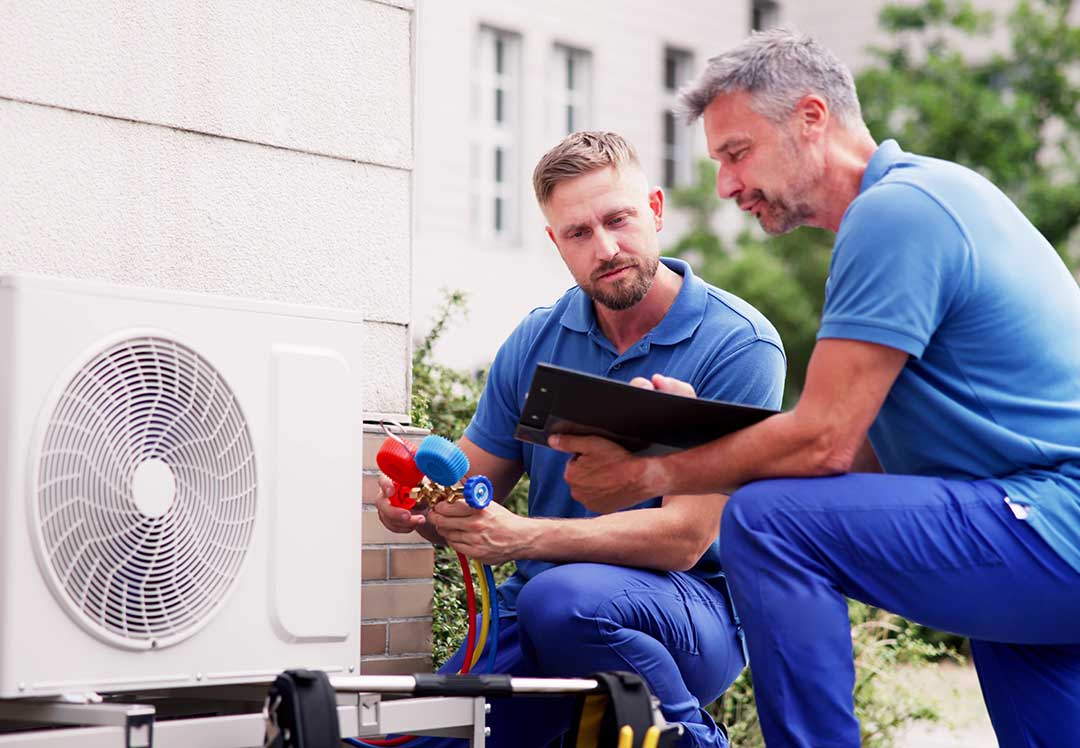
Yes. A heavily clogged filter can restrict airflow and cause uneven temperatures, longer run times, reduced comfort, and excess strain on the blower.
In heating mode, inadequate airflow can contribute to overheating inside the furnace and may cause the system’s safety controls to shut it down temporarily. In cooling mode, restricted airflow can contribute to coil icing, although other mechanical or refrigerant issues can cause similar symptoms.
Replacing the filter may correct an airflow problem when the filter is the cause. If the system continues to shut down, makes unusual noises, produces a burning smell, or develops persistent ice, the issue may involve more than the filter.
Should the HVAC system be running while changing the filter?
No. Turn the system off before removing or installing the filter. This prevents the blower from pulling loose dust through the return opening and reduces the chance of disturbing the filter while it is being inserted.
A brief interruption will not harm the furnace or air conditioner. After the filter is installed, make sure the access panel or grille is closed securely before restoring operation.
If the thermostat has an automatic fan setting, switching the system to “off” is preferable to relying on the fan cycle to stop immediately.
What mistakes should be avoided?
Several common mistakes can reduce the benefit of a new filter:
- Installing the filter backward.
- Choosing the wrong size.
- Waiting until the filter is completely clogged.
- Using a filter with a rating that restricts airflow.
- Forgetting filters located in secondary return grilles.
- Leaving the filter access door or return grille unsecured.
- Washing a disposable filter instead of replacing it.
- Assuming a thicker filter can be used without checking compatibility.
Reusable filters are designed differently and must be cleaned according to their instructions. A disposable pleated filter should not be washed and reused.
When does filter replacement require extra caution?
Stop and reassess if the filter is behind exposed wiring, if the equipment cabinet is damaged, or if there is a strong electrical or fuel-related odor. Do not remove panels that contain electrical components unless the system is fully disconnected and the procedure is clearly covered by the manufacturer’s instructions.
Households with fuel-burning equipment should also take unusual odors, soot, repeated shutdowns, or carbon monoxide alarm activity seriously. Filter replacement does not address combustion or venting hazards.
Keeping a spare correctly sized filter in a dry storage area can make routine changes easier, especially before the heavy heating season. Writing the installation date on the filter frame provides a simple reminder for the next inspection.