

 See My Latest Article on HelloNation

What Are the Most Common Signs That an Air Conditioner Needs Maintenance?
Unusual noises, inconsistent cooling, and higher energy bills are often clear signs that an air conditioner may need maintenance. These symptoms tend to show up as summer weather settles in across Beaver Dam, with area households relying on AC systems for relief from heat and humidity.
Some specific warning signs include:
- New or louder rattling, buzzing, or squealing sounds when the unit is on
- Poor airflow from vents, making some rooms feel warmer than others
- Unpleasant or musty smells when the AC is operating
- Moisture, leaking, or ice buildup on or around the indoor or outdoor AC components
- The system turning on and off frequently without cooling the space effectively
Residents sometimes dismiss these early indicators, expecting them to resolve as temperatures fluctuate. In reality, ignoring them can increase the likelihood of breakdowns during peak use in July and August.
Why Does Air Conditioner Performance Decline Over Time in Beaver Dam?
Normal wear, dust, and local weather patterns all influence how well an air conditioner works as it ages. In Beaver Dam, fluctuations from humid, stormy summers to long winters mean cooling equipment sits unused for months before suddenly working hard again each year.
Over time, this usage pattern can lead to:
- Debris and pollen collecting in filters and coils, reducing airflow and efficiency
- Small leaks allowing refrigerant levels to drop, causing poor cooling or ice formation
- Fan motors or electrical parts wearing out or corroding, especially after spring storms and temperature swings
Systems in older homes or those exposed to more grass, tree pollen, or basement dampness may need closer attention. Local housing stock includes both historic and recently built homes, which can affect the type and frequency of maintenance signs area residents notice.
What Does Poor Airflow Mean, and How Can Residents Check for It?
Poor airflow often signals a blocked filter, dirty ductwork, or struggling blower motor. Rooms that take much longer to cool—or never quite reach the thermostat setting—are a common complaint in local homes, especially if vents are obstructed or filters have not been changed recently.
Residents can check airflow by:
- Feeling the strength of the air coming from each supply register when the system is running
- Listening for unusual whistling or faint hissing from vents, which may indicate leaky or compressed ducts
- Looking for visible dust buildup around vent covers or noticing more airborne particles when the AC first starts up
Sometimes, poor airflow seems more pronounced in bedrooms or finished basements. This can relate to duct design or longer runs in split-level or ranch-style homes typical of the area.
Can Higher Energy Bills Point to AC Maintenance Problems?
A gradual or sudden increase in summer electricity bills often accompanies an air conditioning problem. Even if the system seems to run, when it works harder than normal due to clogged filters, leaking refrigerant, or failing parts, it uses more power.
This is particularly relevant for Beaver Dam households that track energy usage closely or participate in any local energy efficiency programs. A unit in need of cleaning or repair can create a noticeable spike, especially during humid weeks in late June and July when demand is high.
Comparing utility bills from the current summer to those of previous years, adjusted for temperature trends, is a practical way to notice subtle declines in efficiency.
When Are Odors or Leaks a Sign of Trouble?
Strange smells and visible leaks can point to hidden AC issues requiring attention for safety and comfort. While a faint musty odor right after turning on the system for the first time in season is sometimes just dust, persistent smells may suggest a mold or mildew problem.
Leaking water or refrigerant signals more serious issues:
- Water accumulating around the air handler can mean a clogged drain, leading to mold growth or even water damage in finished basements.
- Ice on refrigerant lines or coils can result from restricted airflow or low refrigerant—both of which strain the system and can shorten its lifespan.
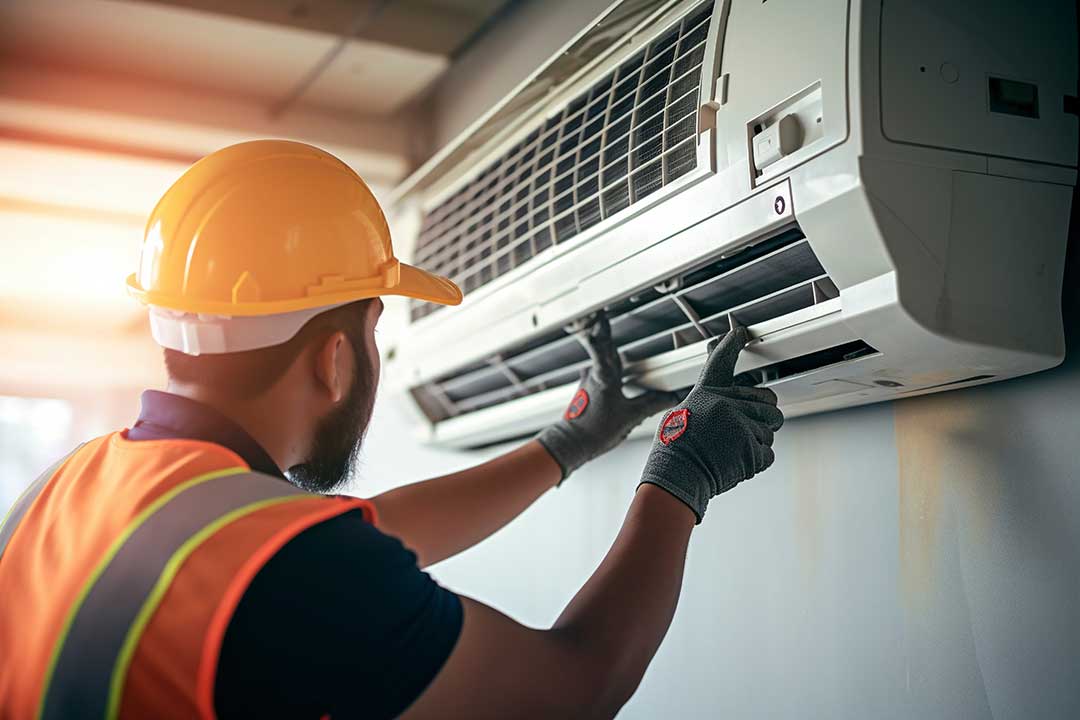
In humid summers like those experienced locally, even small leaks compound quickly, and moisture can encourage indoor air quality problems.
How Do Noises Help Diagnose AC Maintenance Needs?
Sounds from the inside or outside unit can help residents identify what may need attention. A soft hum is normal; new or intensified noises should prompt investigation.
Common noise-related indicators:
- Rattling or banging may suggest loose panels, screws, or failing blower motors
- Squealing or grinding often hints at belt or bearing problems
- Clicking or frequent cycling might reflect electrical issues or a failing relay
These issues might be more noticeable at night when the city quiets down or in homes with older, less insulated ductwork.
What Maintenance Can Area Residents Handle Themselves?
Local residents can safely perform several simple actions to keep air conditioners running efficiently and spot early signs of trouble. These include:
- Changing or cleaning filters (monthly during high-use periods)
- Keeping outdoor units clear of leaves, grass, and other yard debris
- Checking that supply and return vents are not blocked by furniture or drapes
- Inspecting for visible ice, leaks, or damage on accessible parts of the system
More complex tasks—such as checking for refrigerant leaks or electrical issues—should only be handled by someone with appropriate training due to safety and environmental regulations.
Regular, simple upkeep is usually enough to catch developing problems before they become disruptive during hot spells.
What Common Misconceptions Do Residents Have About Air Conditioner Maintenance?
Misconceptions sometimes lead homeowners to overlook issues or delay preventative care. Some believe that central AC units only need attention if they stop working entirely, yet many problems develop gradually and reduce efficiency long before total failure.
Another common myth is that a bigger or newer system requires less maintenance. In reality, all systems accumulate dust, moisture, and wear each year—regardless of their age or size.
Finally, some area households assume routine maintenance is unnecessary in northern climates like Beaver Dam. However, local humidity and pollen levels each summer put unique strains on equipment, and routine checks remain essential for comfort and reliability throughout the cooling season.