

 See My Latest Article on HelloNation
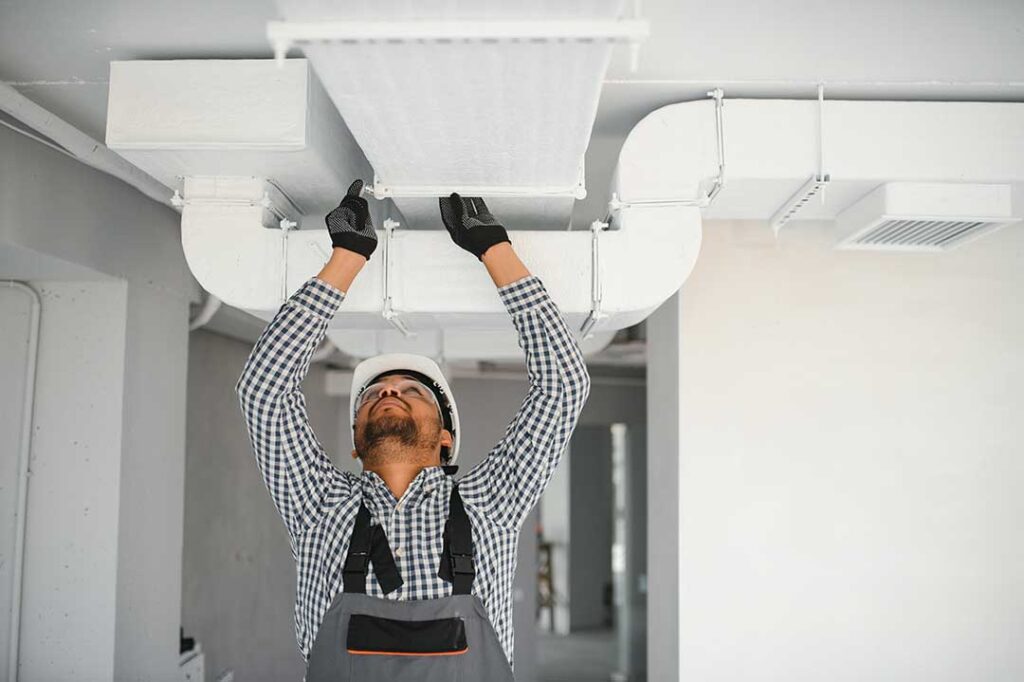
A professional HVAC inspection is a systematic review of heating, cooling, ventilation, controls, and safety conditions. In Beaver Dam, WI, inspections are especially useful before and after periods of heavy winter heating or summer air-conditioning use, when equipment may operate for long hours under demanding conditions.
An inspection is more than changing a filter or looking at the thermostat. The technician typically evaluates how the system starts, runs, shuts down, moves air, handles combustion or electrical power, and responds to controls.
What happens before the equipment is tested?
The inspection usually begins with questions about comfort, operating history, and recent problems. A technician may ask whether the system has produced unusual sounds, uneven temperatures, higher energy use, frequent cycling, odors, or unexplained shutdowns.
The surrounding conditions are also reviewed. This can include:
- The age and type of the equipment
- Previous repair or maintenance concerns
- Rooms that feel too warm or too cold
- Recent remodeling or changes to insulation
- Water near the furnace, air conditioner, or indoor coil
- Dust, moisture, or air-quality concerns
- Thermostat settings and scheduling habits
This conversation helps distinguish a normal inspection from troubleshooting. A system may appear clean yet still have an airflow restriction, control problem, or safety issue that only becomes clear during operation.
How is the heating system inspected?
For a furnace or boiler, the technician generally examines the system while it is operating. The goal is to confirm that it starts reliably, produces heat properly, and shuts down as designed.
A furnace inspection may include checking:
- The thermostat and low-voltage controls
- Electrical connections and service components
- Burners, ignition parts, and flame-sensing components
- The heat exchanger for visible damage or concerning conditions
- Blower operation and motor performance
- Air filters and return-air pathways
- Supply-air temperature and temperature rise
- Venting and flue connections
- Safety switches and limit controls
- Combustion air, where applicable
- Carbon monoxide risks associated with combustion equipment
A visual inspection cannot guarantee that a heat exchanger is free of every defect. Some problems require specialized testing or become more apparent as the equipment heats. Likewise, a carbon monoxide detector is a critical household safety device, but it does not replace inspection of the furnace and venting system.
In homes with boilers, the inspection may also include circulator operation, pressure, expansion components, relief valves, piping, radiators, baseboards, and signs of leakage.
What is checked on an air conditioner or heat pump?
Cooling equipment is usually tested during weather that permits normal operation. If outdoor temperatures are too low, a technician may limit certain tests to avoid damaging the equipment or producing misleading results.
The inspection commonly covers:
- Thermostat operation and cooling controls
- Electrical disconnects, wiring, capacitors, and contactors
- Outdoor coil condition and airflow
- Indoor coil accessibility and cleanliness
- Refrigerant-line insulation and visible damage
- Condensate drains, pans, pumps, and overflow protection
- Blower operation and indoor airflow
- Supply and return temperatures
- Unusual vibration or noise
- Signs of refrigerant leakage or oil staining
A temperature difference between the return and supply air can provide useful information, but it does not tell the entire story. Outdoor temperature, indoor humidity, airflow, duct condition, filter restriction, and equipment type all affect test results. Refrigerant readings should be interpreted alongside these other conditions rather than treated as a stand-alone diagnosis.
Why does airflow receive so much attention?
Poor airflow can make a system seem defective even when the main equipment is operating. It can also cause equipment to run longer, create uneven comfort, and increase stress on motors, heat exchangers, or compressors.
The inspection may look at:
- Filter size, condition, and fit
- Return-air openings and grilles
- Supply registers and dampers
- Blower speed or airflow settings
- Duct leakage, crushed sections, and loose connections
- Restrictions caused by furnishings or closed registers
- Static pressure, when testing equipment is available
- Evidence of undersized or poorly balanced ductwork
Older homes may have duct additions, enclosed porches, finished basements, or room conversions that changed the original airflow design. A system can therefore require evaluation of the whole distribution system, not only the furnace or air conditioner cabinet.
Are ventilation and indoor air quality part of an HVAC inspection?
They may be, but the scope varies. A standard equipment inspection often identifies visible ventilation concerns without becoming a complete indoor air-quality assessment.
The technician may observe:
- Bathroom and kitchen exhaust fan operation
- Fresh-air or whole-house ventilation equipment
- Moisture around the equipment or ductwork
- Visible mold-like growth or heavy dust
- Air-cleaning devices and filter cabinets
- Duct insulation and accessible duct surfaces
- Combustion-air openings in mechanical rooms
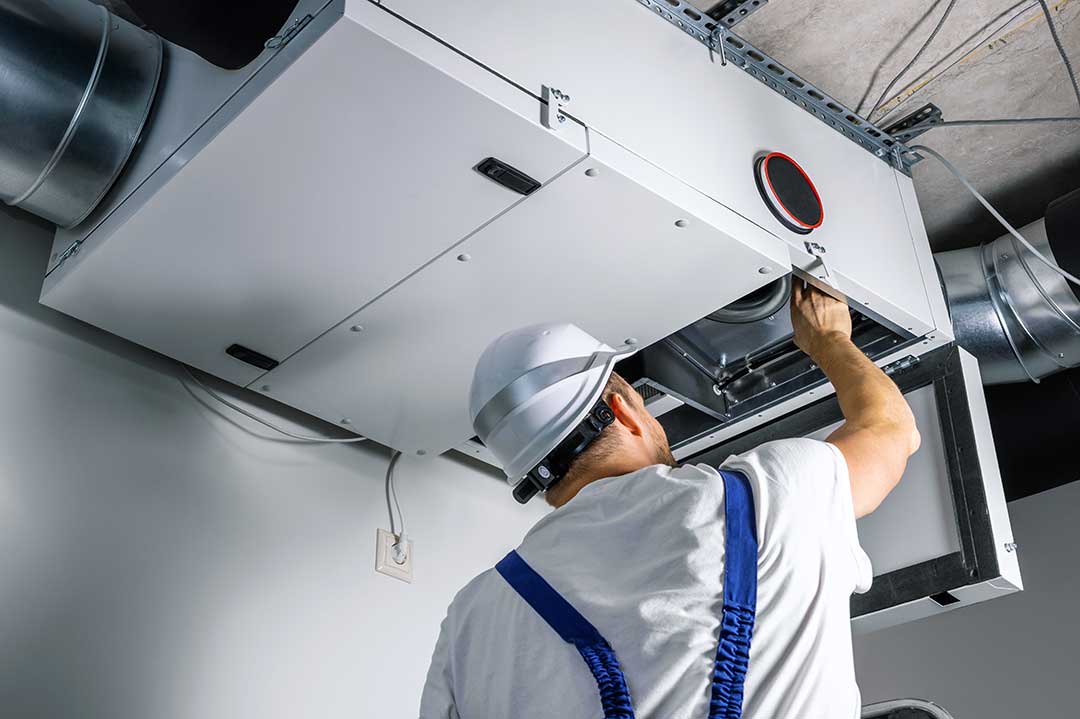
An HVAC inspection cannot determine every cause of dust, odors, or respiratory irritation. Those concerns may also involve plumbing leaks, building materials, pests, cleaning practices, humidity, or outdoor air entering the building. If symptoms are severe or persistent, medical and environmental guidance may be appropriate in addition to HVAC evaluation.
What safety issues can be found?
Safety checks are one of the most valuable parts of an inspection, particularly for fuel-burning equipment. A technician may identify blocked venting, deteriorated flue components, improper clearances, exposed wiring, loose electrical connections, water near electrical parts, or malfunctioning shutoff controls.
For combustion appliances, inspection may also involve checking for:
- Proper ignition and flame appearance
- Backdrafting or venting concerns
- Carbon monoxide around the equipment
- Blocked combustion-air openings
- Damaged vent connectors
- Unsafe installation changes
- Inadequate clearance from combustible materials
If a system presents an immediate hazard, it may need to be shut down until the unsafe condition is corrected. Carbon monoxide alarms should be installed and maintained according to current safety guidance, with alarms located near sleeping areas and on each appropriate level of the home.
What does the inspection report usually include?
A useful report separates observed conditions from recommendations. It may document equipment type, approximate age, operating readings, visible defects, safety concerns, maintenance needs, and items that could not be inspected because they were inaccessible.
Residents should look for clear distinctions such as:
- Normal condition: Operating as expected during the inspection
- Maintenance item: Cleaning, adjustment, or routine service may be needed
- Repair concern: A component is worn, damaged, or not operating correctly
- Safety concern: Continued operation may create a hazard
- Monitoring item: The condition is not an immediate failure but should be watched
A recommendation to replace equipment is not automatically proof that replacement is necessary. The decision depends on safety, reliability, repair cost, efficiency, comfort, available parts, and the homeowner’s long-term plans. An inspection should provide enough information to understand those tradeoffs.
How should a homeowner prepare?
Preparation is simple but helps the inspection remain thorough. Clear access to the furnace, boiler, air handler, outdoor unit, electrical disconnect, and thermostat. Replace an extremely dirty filter only if it can be done safely and the correct size is known, but keep the old filter available if the technician needs to document its condition.
It also helps to note:
- When the problem occurs
- Which rooms are affected
- Whether the issue changes with outdoor weather
- Any recent power outage or construction
- Unusual sounds, smells, or water
- Previous service or equipment changes
For homes in Beaver Dam, seasonal timing matters. A heating inspection is most informative before sustained cold weather, while cooling equipment should be evaluated before long summer operating periods when possible. Even so, unusual noises, repeated shutdowns, burning smells, gas odors, visible damage, or suspected carbon monoxide should be treated as safety concerns rather than postponed for a routine seasonal check.