

 See My Latest Article on HelloNation

How Can Local Weather Patterns Affect Summer Cooling Efforts?
Warm, humid summers in Beaver Dam, WI create unique challenges for keeping homes comfortable while controlling energy costs. June through August often bring muggy days and warm nights, putting HVAC systems under steady demand. High humidity can make indoor spaces feel warmer than the thermostat shows, leading residents to lower their thermostat settings and use more energy than necessary.
Recognizing that local summer weather is defined by both heat and moisture helps explain why simply setting the AC lower isn’t always the most effective approach. Strategies that manage both temperature and humidity indoors are most successful for area households.
What Thermostat Settings Work Best for Energy Savings?
Setting your thermostat higher when you’re home—and even higher when you’re away—is an effective, simple way to cut costs. The U.S. Department of Energy recommends 78°F for occupied hours and 85°F when everyone is out. In practice, the right setting depends on comfort levels and home insulation.
For many in the community, using a programmable or smart thermostat allows for easy adjustments throughout the day:
- Program higher temperatures during working hours and lower in the evening.
- Avoid over-cooling when no one is home.
- Gradually increase cooling as outdoor temperatures rise instead of waiting until the afternoon peak.
It’s a common misconception that keeping your home consistently cold is cheaper—actually, allowing temperatures to rise while you’re out reduces energy use significantly.
Which Home Improvements Make the Most Difference?
Several upgrades can help homes in the city stay cooler in summer without putting extra strain on air conditioners:
- Seal gaps and cracks around windows, doors, and foundations to reduce warm air leaks.
- Add insulation to attics or walls if possible—many older homes have insufficient insulation, which can let cool air escape.
- Install or use ceiling and portable fans to increase air movement and make rooms feel cooler. Fans allow thermostat settings to be raised by about four degrees with no loss of comfort.
- Use window coverings, like blackout curtains or blinds, to block out sunlight during the hottest parts of the day. South- and west-facing windows are the most important in the afternoon.
These improvements not only cut cooling costs but can also help keep homes warmer in winter.
What Everyday Habits Help Lower Cooling Bills?
Small, consistent changes in daily habits can make a noticeable difference in summer energy use for area households:
- Close windows during the heat of the day to keep warm, humid air out.
- Use major appliances like ovens, dishwashers, and clothes dryers during cooler evening hours to avoid adding heat indoors.
- Cook outdoors on grill nights to minimize indoor heat and foster community spirit.
- Turn off lights, computers, and electronics when not in use—these devices produce heat that adds to cooling demand.
- Take short, cool showers to reduce humidity from hot water use.
Many residents forget that even minor sources of indoor heat raise cooling costs over time.
How Does Regular AC Maintenance Affect Efficiency?
A well-maintained cooling system is more efficient, reliable, and less expensive to run. Skipping maintenance is one of the leading—and most preventable—reasons for high summer energy bills in the city.
- Change or clean air filters every 1-2 months during heavy use—dirty filters restrict flow and force the system to work harder.
- Make sure supply and return vents are open and unblocked by furniture, rugs, or drapes.
- Keep the outdoor unit (condenser) clear of leaves, grass, and debris so it can release heat effectively.
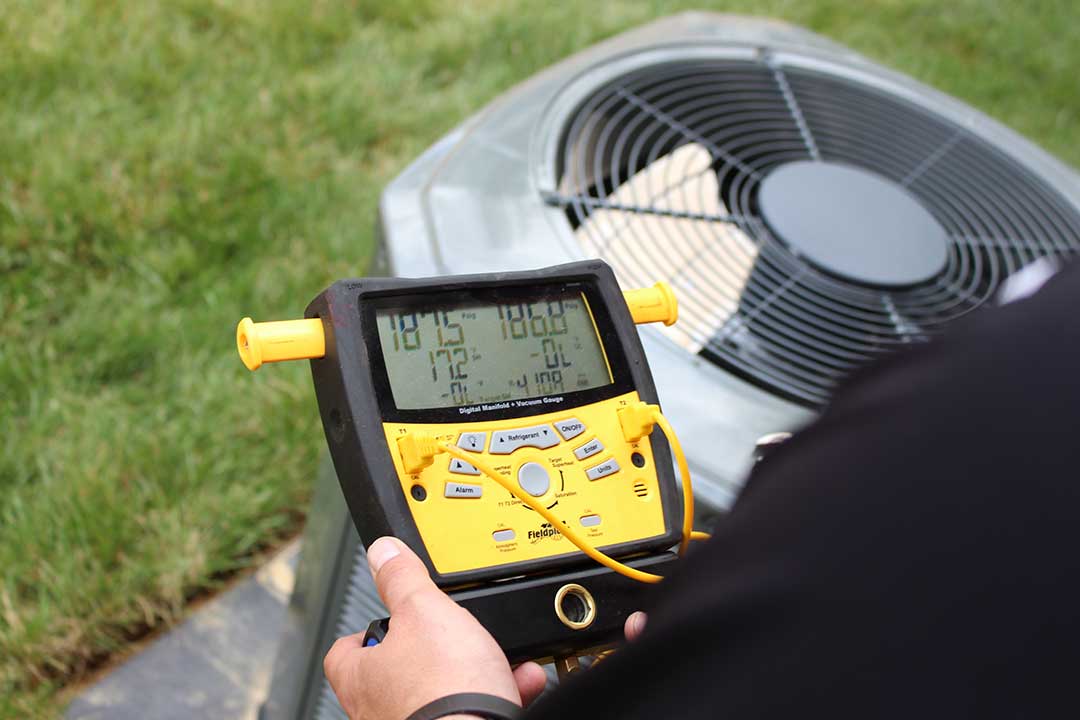
Routine checks can be done safely by most homeowners, but leave any repairs or refrigerant handling to qualified technicians for safety compliance.
How Can Humidity Be Managed in the Home?
Managing indoor humidity is essential for comfort and lower cooling costs during Beaver Dam summers. High humidity makes the air feel warmer and discourages people from raising the thermostat.
Some strategies include:
- Using bathroom and kitchen exhaust fans while showering or cooking to remove moisture at the source.
- Running a standalone dehumidifier in basements or other damp areas.
- Keeping outdoor air out during especially humid days.
It’s a mistake to rely solely on air conditioning to remove all humidity. Reducing moisture at the source reduces strain on the cooling system.
Are There Low-Cost Tricks That Work Well Locally?
Residents looking for immediate, low-cost steps can try these methods:
- Freeze a damp cloth and hang it in front of a fan for a DIY cooling effect in small spaces.
- Place a tray of ice in front of a fan during exceptionally hot spells.
- Sleep with lightweight cotton bedding and open upstairs windows at night (if outdoor air is cooler and safe to let in).
These simple tricks collectively make a room feel cooler and may help reduce overnight AC use.
Which Cooling Myths Lead to Higher Costs?
Some commonly held beliefs aren’t supported by science or local experience:
- “Bigger AC units cool faster”—oversized units cool too quickly, fail to remove humidity, and waste electricity.
- “Turning the thermostat way down cools the home faster”—air conditioners cool at the same rate regardless of setting, and this just wastes energy.
- “Ceiling fans cool rooms”—fans cool people, not air. Turn them off when you leave a room.
Challenging these myths can prevent frustration and expense, especially during stretches of intense heat.